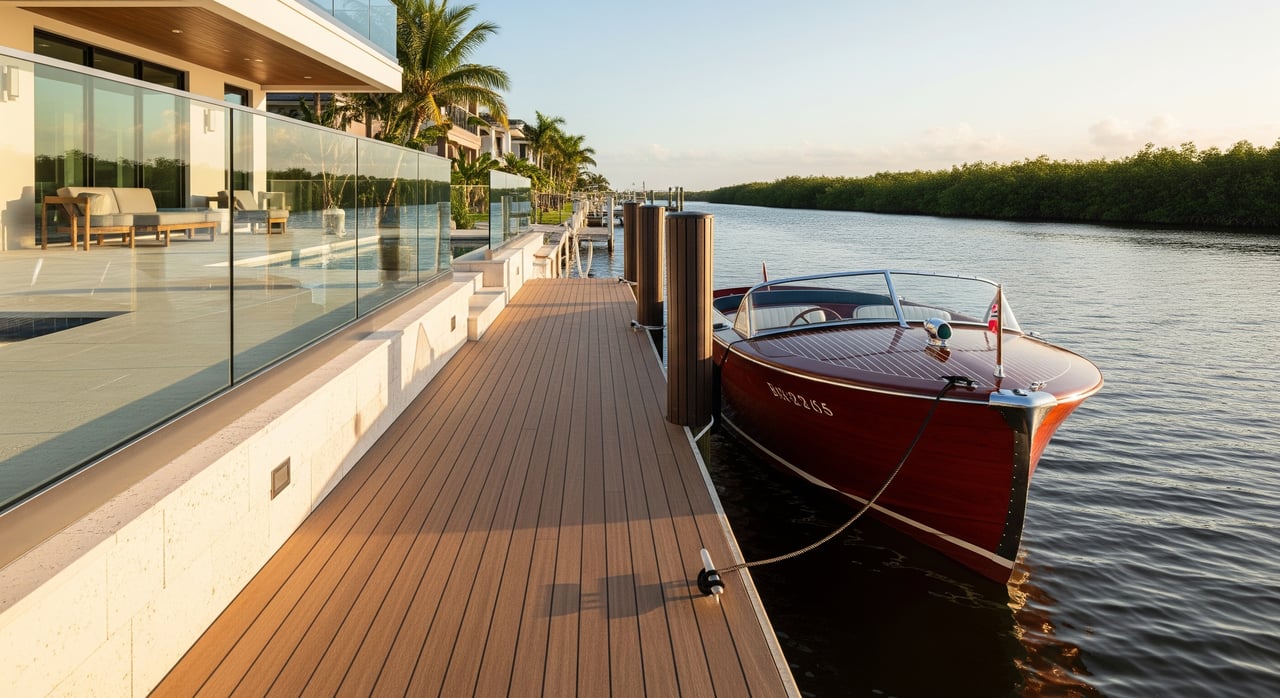
Ellenton Boating River Access Guide for Manatee River
January 15, 2026
January 15, 2026
Picture your weekend starting on calm morning water, with the Manatee River opening a path to fishing, sandbars, and sunset cruises. If you live in or near Ellenton, that lifestyle is within reach, but the details matter. You want to know where to launch, what storage fits your boat, how tides and bridges affect your route, and which rules apply along the river. This guide gives you a clear path to plan your boating life with confidence. Let’s dive in.
Public access points around Ellenton include county boat ramps, park launches, and short-stay municipal docks. Some sites feature restrooms, trailer parking, and picnic areas, while others are simple day-use ramps. You can also find ADA-friendly launches and fishing piers in select parks.
To confirm current locations, hours, and fees, start with Manatee County Parks & Natural Resources and the county’s official website for county-operated ramps and parks. Statewide, the Florida Fish and Wildlife Conservation Commission (FWC) publishes boating access listings and rules. You can also cross-check facility details through national directories and satellite imagery to see ramp slope, parking layout, and proximity to bridges or bends.
Before you go, verify the practical details at your chosen ramp:
The right storage depends on your boat size, how often you go out, and your budget. In the Ellenton area, you will find full-service marinas, dry-stack storage, and open yard storage, plus transient docks for short stays.
These typically offer wet slips, shore power, water, fuel, and pump-out, with on-site repairs or haul-out services. They fit boaters who want walk-on convenience and steady access. Ask about depth at low tide, slip lengths and beam limits, security, and waitlist policies.
Dry-stack facilities store your boat in racks and launch it for you during operating hours. This is a popular option for smaller boats that need quick access and added weather protection. Clarify lift capacity, maximum vessel weight, launch request procedures, and insurance requirements.
Open yard storage is often the most cost-effective, but offers less protection from sun and weather. Transient dockage works for seasonal visitors or weekend trips when you do not need a permanent slip. Confirm rates, reservation rules, and any special event blackout dates.
When you contact marinas or storage providers, verify:
Call nearby marinas directly for current rate sheets and waitlist status. Supplement your search with regional directories and recent user comments for context on service and availability. Local marine contractors and brokers also know which facilities have openings.
Waterfront use in Manatee County is regulated by public agencies and private rules. For docks, seawalls, and lifts, contact Manatee County’s permitting office for submittal requirements and typical turnaround times. Recorded covenants, conditions, and restrictions (CC&Rs), plus plat notes, are available through the Manatee County Clerk of Court or county records. HOA boards or managers can provide neighborhood-specific boat and trailer policies.
Common restrictions you may encounter include:
If you are buying a waterfront home, verify rules early. Ask the seller or listing agent for CC&Rs and any boat-related policies or fines. Request copies of permits and as-built drawings for existing docks and seawalls. Confirm with the county whether structures were permitted and whether any are grandfathered. If the seller claims dock rights, ask for documented proof.
You are boating in manatee habitat. Follow posted slow-speed or idle zones and stay alert near grass flats and shorelines. Avoid running or anchoring in seagrass to protect habitat and reduce the risk of fines.
The Manatee River is tidally influenced, so low water can limit access for deeper draft boats. Use reliable tide predictions and local tide tables when planning launches and returns. If you are new to the route to the Gulf, allow extra time and daylight until you know the channel.
Check nautical charts for channel markers and shoaling reports. Confirm fixed bridge clearances for your boat and any scheduled opening rules in the area. Review U.S. Coast Guard Local Notices to Mariners for temporary restrictions before a longer run.
Use marina pump-out services where available and follow posted fueling safety. Marinas maintain spill response procedures, and boaters should know how to report a spill if one occurs.
Know how to reach the Manatee County Sheriff’s Office marine unit or the nearest Coast Guard resource in an emergency. Review your boat and trailer insurance to confirm towing and salvage coverage for shallow water or tidal risks common on the river.
If boating access is part of your move, you deserve clear answers on ramps, storage, permits, and tides before you buy. Our local team helps you verify the details, coordinate inspections, and connect with trusted marine pros so you can choose a home that fits your life on the water. When you are ready to explore Ellenton’s riverfront options, reach out to the Echo Belser Team for guidance tailored to your goals.



We bring together a mix of integrity, imagination and an inexhaustible work ethic, striving to make each buying and selling experience the best possible.
Get In Touch With Our Team To Learn More

ECHO BELSER TEAM
11215 STATE ROAD 70 E UNIT 105 LAKEWOOD RANCH FL 34202