You are not just buying a home on Siesta Key. You are choosing a lifestyle on one of Florida’s most sought-after barrier islands, where the details behind the view matter as much as the view itself. If you are considering a luxury condo on the sand or a canal-front home with a private dock, a few early decisions can protect your budget, your time, and your long-term resale value. In this guide, you will learn the key rules, risks, and tradeoffs unique to Siesta Key so you can buy with confidence. Let’s dive in.
What “luxury” means on Siesta Key
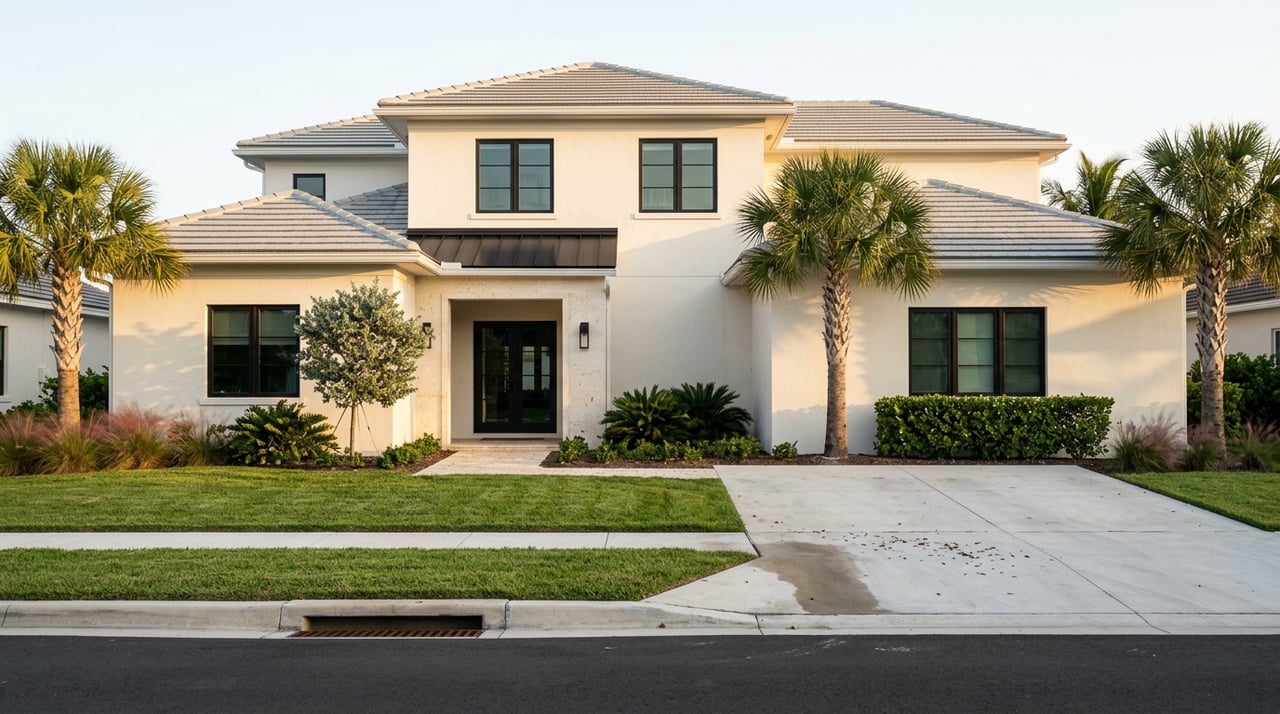
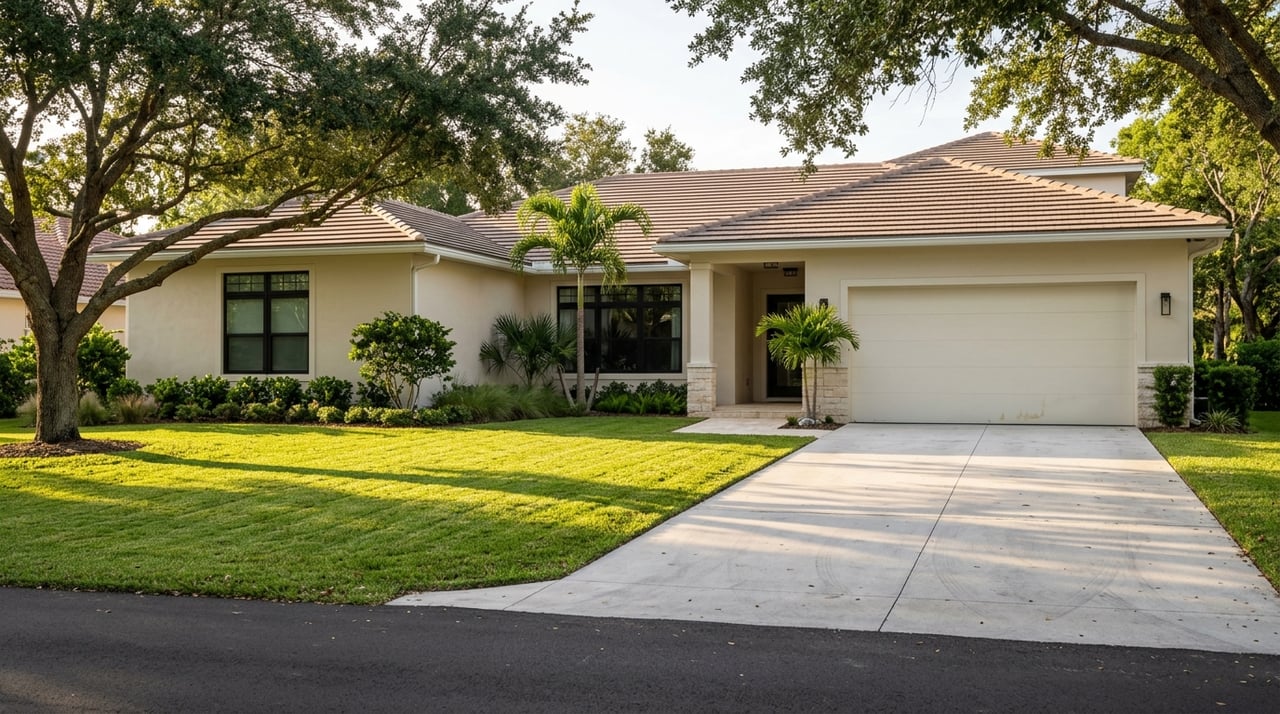
Siesta Key sits within Sarasota County’s luxury market, where many transactions land in the low seven figures and top waterfront sales reach into the multi-millions. On the island, buyers usually compare two primary options: Gulf-front or Gulf-view condominiums with amenity access, and canal or bay-front single-family homes with private docks. Each property type offers a different version of the coastal lifestyle.
Luxury condos often trade on view, deeded or private beach access, and on-site services. Canal homes trade direct beachfront for boating convenience, privacy, and open-water access. Both can deliver strong lifestyle value, but the cost profile and risk exposure are not the same.
Condo vs. canal home: lifestyle tradeoffs
Choosing between a high-end condo and a canal-front home starts with how you want to live day to day.
- Gulf-front and Gulf-view condos: You pay premiums for views and beach access. You also share in association governance and budgets that cover common areas and building systems.
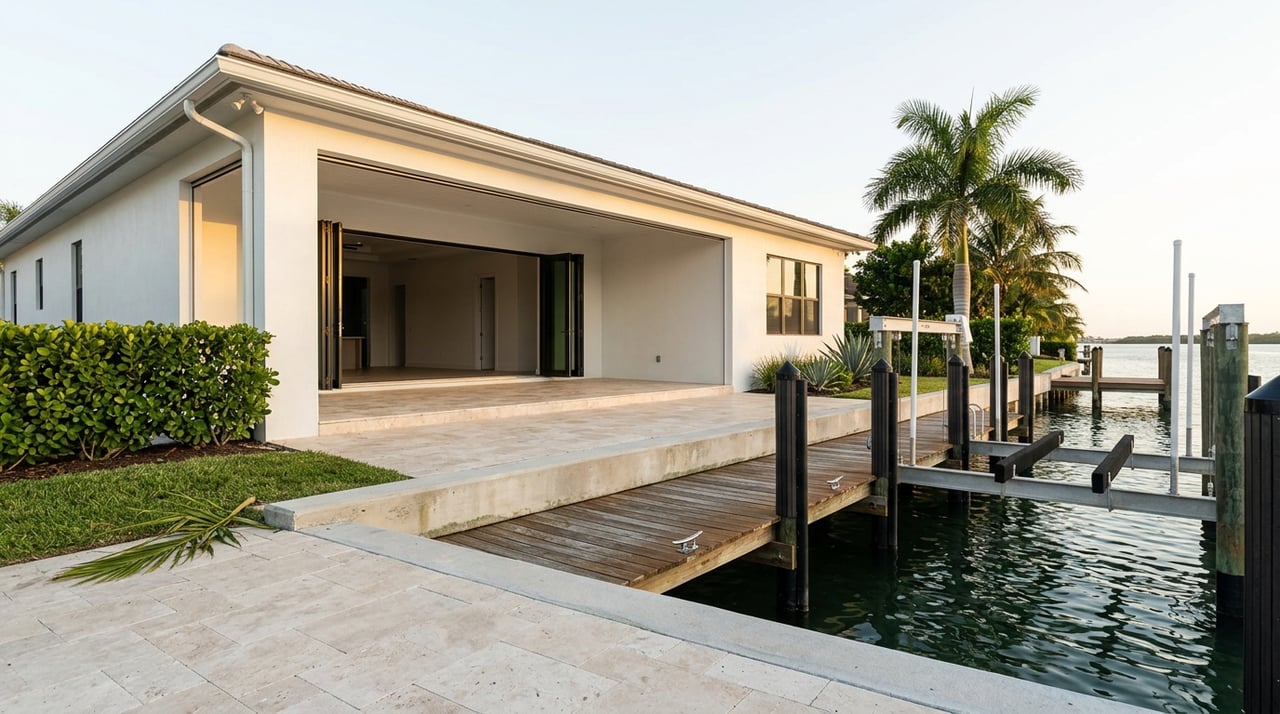
- Canal or bay-front single-family homes: You gain dockage, boating access, and space. You take on dock and seawall upkeep, and you manage more of your own insurance and maintenance.
A simple rule of thumb: beachfront exposure can mean higher wind and surge risk, while canal properties come with waterfront infrastructure to maintain. Either way, knowing your true carrying costs upfront protects your purchase.
Understand short-term rental rules first
If rental income matters to your plan, confirm legal use before you tour. Siesta Key spans two jurisdictions with different short-term rental rules, and private community covenants may be stricter than either.
- City of Sarasota: Inside city limits, vacation rentals are allowed with City registration, inspections, and a stated minimum stay requirement of 7 nights. Advertising must display the City certificate number, and enforcement is active. Review the City’s vacation rental guidance and registration details on the City of Sarasota vacation rental page.
- Unincorporated Sarasota County: The County’s code generally requires 30-day minimum leases in residential districts. There is an exception for certain barrier-island multifamily zones where short stays may be allowed. Single-family parcels in the County typically cannot operate as short-term rentals. Confirm your parcel’s zoning code and any nonconforming status using the County’s published rules on rental of dwelling units.
- Association rules: Many condos and HOAs adopt stricter minimum stays, caps on the number of leases per year, or blackout periods. Always obtain and read the recorded declaration, bylaws, and rental addenda. Minutes can reveal pending changes.
Bottom line: match your property’s legal rental use to your income plan in writing. Do not assume nightly or weekly rentals are allowed.
Flood maps, elevation, and insurance costs
Waterfront living brings flood, wind, and surge exposure. Sarasota County updated its official Flood Insurance Rate Maps, and those changes became effective March 27, 2024. A property that moved into a Special Flood Hazard Area can face new insurance requirements and higher premiums. Start your risk review early.
- Check your exact parcel on the County’s flood map portal and note the zone and Base Flood Elevation. Use Sarasota County’s resource for flood maps and FIRMs and confirm details with FEMA’s Flood Map Service Center.
- Obtain or order an Elevation Certificate. Lenders and insurers use it to rate policies and set premiums. Elevation relative to BFE can materially change your costs.
- Expect a specialized insurance process. Florida’s market has been volatile, though regulators report steps toward stabilization. Coastal owners should plan for higher wind deductibles and, in some cases, quotes from Citizens or surplus-lines carriers. Review the Florida Office of Insurance Regulation’s update on a strengthening property insurance market and secure multiple written quotes early.
When you compare properties, compare risk and premiums side by side. The prettiest view may carry the highest deductible.
New condo inspection and reserve rules you must read
If you are buying a luxury condo, Florida’s post Surfside laws make building health and reserves front and center. These rules are designed to protect residents, but they can also lead to large repairs and special assessments.
- Milestone inspections: For condo and co-op buildings that are 3 or more stories, state law requires a visual structural inspection when a building reaches 30 years of age, then every 10 years. If the Phase 1 inspection finds issues, a more detailed Phase 2 follows, with deadlines to start repairs. Read the statute for milestone inspections at Florida Statutes §553.899.
- Reserves and financial reporting: Associations have stricter reserve and disclosure requirements, including Structural Integrity Reserve Studies in many cases. Request the latest reserve study, current budget, insurance declarations, and any special assessment notices. See the association requirements in Florida Statutes §718.111.
Ask for inspection reports, engineer recommendations, and the board’s repair plan with cost estimates and timing. These documents reveal near-term capital needs and whether assessments are likely.
Waterfront infrastructure: docks, seawalls, and canals
Canal-front ownership is about more than tying up your boat. Docks and seawalls involve permits, inspections, and long-term maintenance. Depth, draft, and local dredging plans can affect your boating experience and future costs.
- Verify dock and seawall permits and ownership. Ask for recent inspection or repair invoices to understand condition and remaining life.
- Confirm canal depth and draft limits from local sources. Sarasota County and regional partners have funded navigational projects in recent years, and reported dredging initiatives are part of local resilience planning. See coverage of County funding on waterway dredging programs.
- Review utilities and drainage on low-elevation lots. Groundwater, slab moisture, and drainback issues are common on barrier islands. Pair your home inspection with focused drainage and elevation checks, and use County flood resources at the flood maps portal.
A well-documented dock and seawall add confidence for you now and for your buyer at resale.
Association governance: what to review line by line
Whether you buy a condo or a single-family home in an HOA, governance quality affects your experience and your costs. Read these items closely and ask for missing pieces before you remove contingencies.
- Recorded declaration, bylaws, and rules, including rental language.
- Current budget, 3-year reserve study, and insurance master policy declarations.
- Milestone inspection reports and any Phase 2 testing reports for 3-story and taller buildings, plus contractor bids and timelines if repairs are planned.
- Board meeting minutes for the last 12 to 24 months and any litigation or special assessment disclosures.
Confirm who pays which deductible on the master policy, whether coverage is walls-in or bare-walls, and what loss assessment exposure owners carry. See statutory association requirements in Florida Statutes §718.111.
Red flags that change the math
A few items can turn a beautiful property into a tough buy. Watch for these early and get documentation in writing.
- A new Special Flood Hazard Area designation after the March 27, 2024 FIRM update. Check the County flood maps and confirm with FEMA panels.
- Phase 2 milestone findings or a backlog of deferred maintenance at a condo community. Review §553.899 reports and repair plans.
- HOA special assessments, high master policy deductibles, or a bare-walls master policy without strong owner coverage. Verify responsibilities under §718.111.
- Unpermitted docks or limited canal depth for your boat’s draft. Request permits and speak with local authorities. Review dredging context via waterway dredging programs.
- A rental-use mismatch, especially if you expect nightly or weekly income on a single-family parcel in unincorporated County. Confirm rules using the County’s rental of dwelling units and the City’s vacation rental guidance.
Smart offer strategy for luxury buyers
Arrive at the offer stage with risk and cost items priced in. Ask for seller disclosures and association documents upfront and align your inspection timeline with the items that matter most on the island.
- Price with premiums and exposures in mind. A top-floor view or private dock can justify a higher price, but only if insurance, reserves, and infrastructure support the value.
- Build in document-driven contingencies. Tie your timeline to receipt and review of milestone reports, reserve studies, insurance declarations, rental approvals, and flood documentation.
- Obtain real insurance quotes. Phone estimates are not enough on barrier islands. Use written quotes that reflect actual elevation, construction type, and policy form.
A clean, well-documented file not only protects you now. It helps your future buyer say yes faster.
Your due diligence checklist
Use this as a quick-reference list before you remove contingencies.
- Jurisdiction and zoning
- Confirm whether the parcel sits in City of Sarasota or unincorporated Sarasota County and request written zoning confirmation. Use the County’s rental of dwelling units and the City’s vacation rental page to align rental plans.
- Association and insurance documents
- Request the last 12 to 24 months of meeting minutes, current budget, reserve study, master policy declarations, and any special assessment notices. Review responsibilities under §718.111.
- Milestone inspections for 3-plus story condos
- Obtain Phase 1 and any Phase 2 milestone reports, board repair plans, and contractor bids per §553.899.
- Flood and elevation
- Docks, seawalls, and canal data
- Get permits, surveys, ownership details, and recent repair invoices. Ask about canal depth and any planned dredging. See local dredging context via waterway dredging programs.
- Title and access rights
- Verify recorded easements, beach access agreements, and any code enforcement history. Deeded beach rights and private easements can affect value and daily use.
- Remote buyer logistics
- Line up a local closing attorney or title company, independent home and structural inspections, and a licensed surveyor for an Elevation Certificate or Letter of Map Amendment if needed.
Ready to explore Siesta Key with confidence?
With the right plan, you can enjoy the beach, the boat, and a smooth closing. If you want a local, high-touch team that understands luxury coastal property and the details that protect value, reach out to the Echo Belser Team. We will line up the right tours, coordinate expert inspections, and negotiate with your long-term goals in mind.
FAQs
What short-term rental rules apply on Siesta Key?
- The City of Sarasota allows vacation rentals with registration and a 7-night minimum, while unincorporated Sarasota County generally requires 30-day minimums except in certain barrier-island multifamily zones; always confirm zoning and association rules using the City’s vacation rental page and the County’s rental rules.
How do the 2024 FEMA flood map updates affect my costs?
- If your parcel moved into a Special Flood Hazard Area on the updated maps effective March 27, 2024, lenders may require flood insurance and premiums could rise; check the County flood maps and FEMA panels and get written quotes based on an Elevation Certificate.
What are milestone inspections for Florida condos?
- For 3-plus story buildings, Florida law requires a structural Milestone inspection at 30 years and every 10 years thereafter, with a detailed Phase 2 if issues are found; review reports, repair plans, timelines, and possible assessments before you commit.
What should I ask for from a condo or HOA before I make an offer?
- Request recorded covenants and rules, the current budget, reserve study, master insurance declarations, meeting minutes for 12–24 months, any special assessment notices, and all milestone inspection reports with engineer recommendations.
What extra due diligence is needed for canal-front homes?
- Verify permitted dock and seawall details, ownership and maintenance responsibilities, recent inspections or repairs, and canal depth or draft limits; ask about any dredging plans that could affect navigation.
How can I estimate my true carrying costs on a luxury property?
- Combine written quotes for homeowners, wind, and flood insurance with association dues, likely reserves or special assessments, and any dock or seawall maintenance to build a realistic annual budget before you finalize your offer.