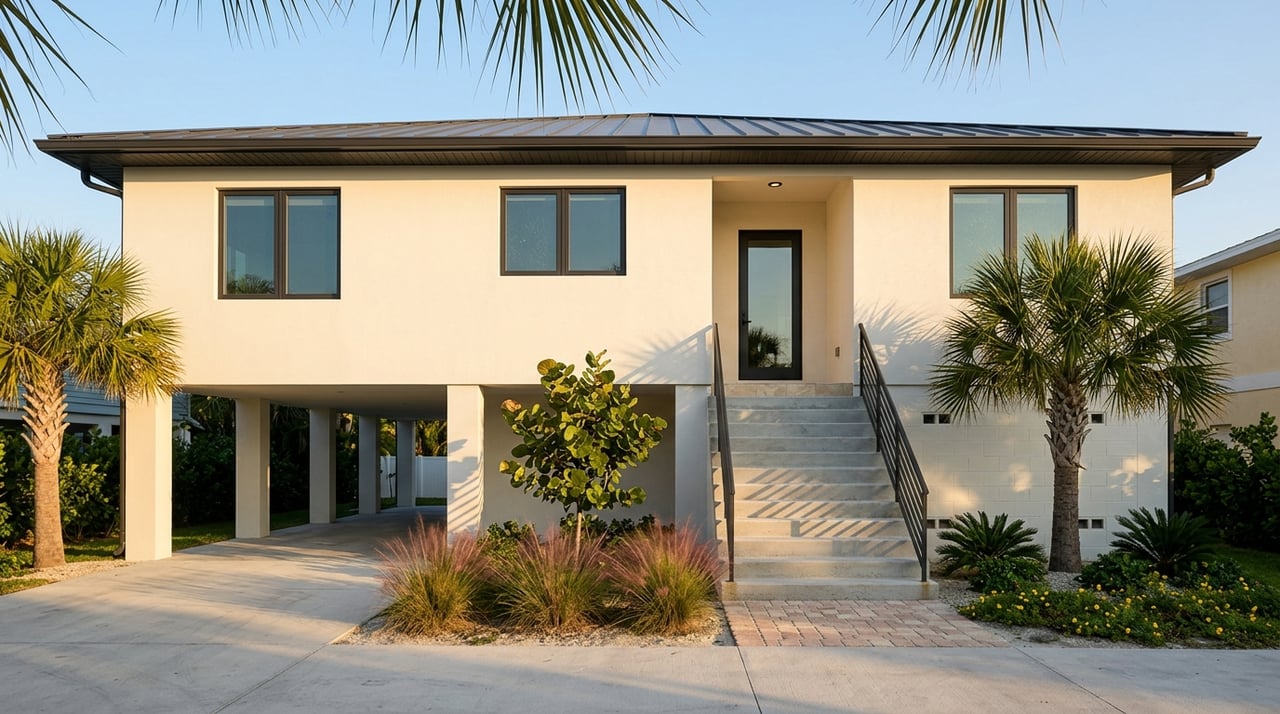
Is an Anna Maria Island Second Home Right for You?
May 21, 2026
May 21, 2026
Dreaming about waking up near the water sounds easy. Living on Anna Maria Island is beautiful, but it also comes with real day-to-day considerations that can shape how you buy, use, and care for your home. If you are thinking about a primary residence, second home, or vacation property here, understanding the island’s pace, rules, and upkeep can help you make a smarter decision. Let’s dive in.
Owning a home on Anna Maria Island often means buying into a lifestyle that feels more residential and small-scale than many buyers expect. The City of Anna Maria describes itself as a residential community at the north end of the island, and it notes that many property owners are part-time residents.
That matters because the island is not just one uniform beach town. According to the city, Holmes Beach functions as the island’s commercial center, while Bradenton Beach is more tourist-oriented. If you are considering ownership here, your experience can vary depending on which part of the island best matches how you want to live.
One of the biggest draws of Anna Maria is its quieter residential identity. For many owners, that creates a more laid-back rhythm than you might find in larger beach markets with heavy commercial development.
At the same time, island life is closely tied to the natural environment. The City of Anna Maria identifies the area as a bird sanctuary, and its beaches serve as nesting habitat for loggerhead turtles. That gives ownership here a stewardship component, where caring for the coastline is part of daily life.
Life on the island can feel wonderfully simple. You may find yourself planning your day around beach walks, trolley rides, local dining, and time outdoors rather than long errands or packed schedules.
Still, convenience looks different here than it does on the mainland. Shopping and dining are spread across places like Pine Avenue, Gulf Drive, Bridge Street, Cortez Village, and Holmes Beach, so the island feels walkable in pockets rather than uniformly walk-everywhere.
If you love local businesses, that is part of the appeal. The Anna Maria Island Chamber describes dining options that range from cafes and bistros to waterfront restaurants and tiki bars, while shopping is centered in small, distinct areas rather than large retail hubs.
For many buyers, that local scale feels charming and intentional. You are less likely to find a suburban-style shopping strip and more likely to rely on neighborhood-oriented businesses such as the Anna Maria General Store on Pine Avenue.
Walkability on Anna Maria Island is real, but it depends heavily on where you own. Some areas give you easier access to restaurants, shops, and beach entry points, while others are better suited to golf carts, bikes where permitted off the beach, short drives, or the trolley.
The free Anna Maria Island Trolley can make daily movement easier, especially on busy days. It runs every 20 minutes from 6:00 a.m. to 10:30 p.m. between the Anna Maria City Pier and Coquina Beach, which can help reduce the need to drive and park.
Beach access is one of the clearest benefits of owning on Anna Maria Island. But beach life here is managed carefully, and homeowners need to understand the local rules that protect the shoreline and keep public spaces orderly.
The City of Anna Maria prohibits alcohol, glass, pets, grills or fires on the beach, bicycles, and motorized vehicles. It also requires visitors to remove beach gear and trash daily, which is important if you are imagining long, casual beach setups.
Sea turtle nesting season runs from May 1 through October 31. During that period, beach lighting after sunset is prohibited, reflecting how seriously the island takes coastal habitat protection.
For homeowners, that is part of the local culture rather than a minor technicality. If you own near the beach, you will want to stay aware of seasonal rules and how your property use fits into them.
Parking is another practical part of ownership. The city tightly enforces parking rules, including the requirement that tires parked on the street must be off the pavement.
This may sound small, but it can affect your guests, service providers, and your own routines during busier times of year. On an island, small regulations often have a noticeable impact on daily convenience.
Anna Maria Island has a different feel depending on the season. The city notes that many owners are part-time residents, and public agencies also point to steady tourist activity throughout the year.
In the shoulder seasons, the island may feel calmer and easier to navigate. During peak periods, parking becomes more sensitive, public areas get busier, and daily logistics can take a little more planning.
Manatee County also notes that summer-rain flooding of beach parking is common. For owners, that means access and parking conditions can shift quickly depending on weather and season.
Owning on Anna Maria Island does not mean you only enjoy your own property. Public spaces are part of the appeal, and they extend the lifestyle beyond your lot line.
Bayfront Park is a good example. Manatee County describes it as a public beach park with views of Tampa Bay, Egmont Key, and the Sunshine Skyway Bridge, along with shaded picnic tables, restrooms, showers, water fountains, and beach access.
If lifeguard service matters to you, that is worth planning for as well. According to Manatee County, Coquina Beach, Cortez Beach, and Manatee Public Beach are the only county beaches with professional lifeguard and medical rescue service.
If you are thinking about offsetting costs with rental income, Anna Maria ownership requires more than simply listing a property. The City of Anna Maria requires annual vacation-rental registration and several approvals before a new vacation rental can be advertised or rented.
The city requires a current DBPR transient public lodging license, Florida Department of Revenue registration, an active Manatee County Tax Collector account, exterior and interior sketches, and a mandatory annual inspection. It also states that written authorization must be received before a new vacation rental may be advertised or rented.
Vacation rental ownership also comes with operating rules designed to balance visitor use with residential quiet. The city’s rules include quiet hours that cover pool use from 10:00 p.m. to 8:00 a.m.
That is important for both investors and non-investor buyers. Even if you do not plan to rent your home, rental rules help shape the overall feel of nearby properties and the residential experience on the island.
On a barrier island, hurricane readiness is simply part of homeownership. Manatee County states that evacuation levels run from A through E, and those levels are different from flood zones.
The county also notes that Level A evacuations apply to residents and visitors in mobile homes, manufactured homes, RVs, and travel trailers. Before you buy, it is wise to understand both the evacuation level and flood zone tied to a specific property.
Flood planning deserves close attention when you buy coastal property. FEMA states that standard homeowners insurance does not cover flood damage, and flood insurance is purchased as a separate policy.
For buyers using certain government-backed mortgages in high-risk flood areas, flood insurance may be required. Manatee County offers an address-based GIS tool that allows residents to check flood zone, evacuation level, and other property-related information, which can be helpful during your home search.
Many buyers focus on the view, the beach access, and the charm of island life. Those are real benefits, but long-term maintenance should be part of your budget and your expectations from day one.
UF/IFAS notes that Florida homes, including seasonal homes, are affected by moisture. It also explains that humid air can contribute to rust and corrosion when metal is exposed, and heavy seasonal rains can push water inside when exterior defects exist.
This is especially important if you plan to use your property seasonally. UF/IFAS notes that periodic air-conditioning helps remove moisture when a home is vacant, which can help manage indoor humidity.
Warm weather also creates faster wear on homes that are not well maintained. In coastal areas, salinity and sea spray can affect both building materials and landscape plants, so a home here usually requires a more active upkeep plan than an inland property.
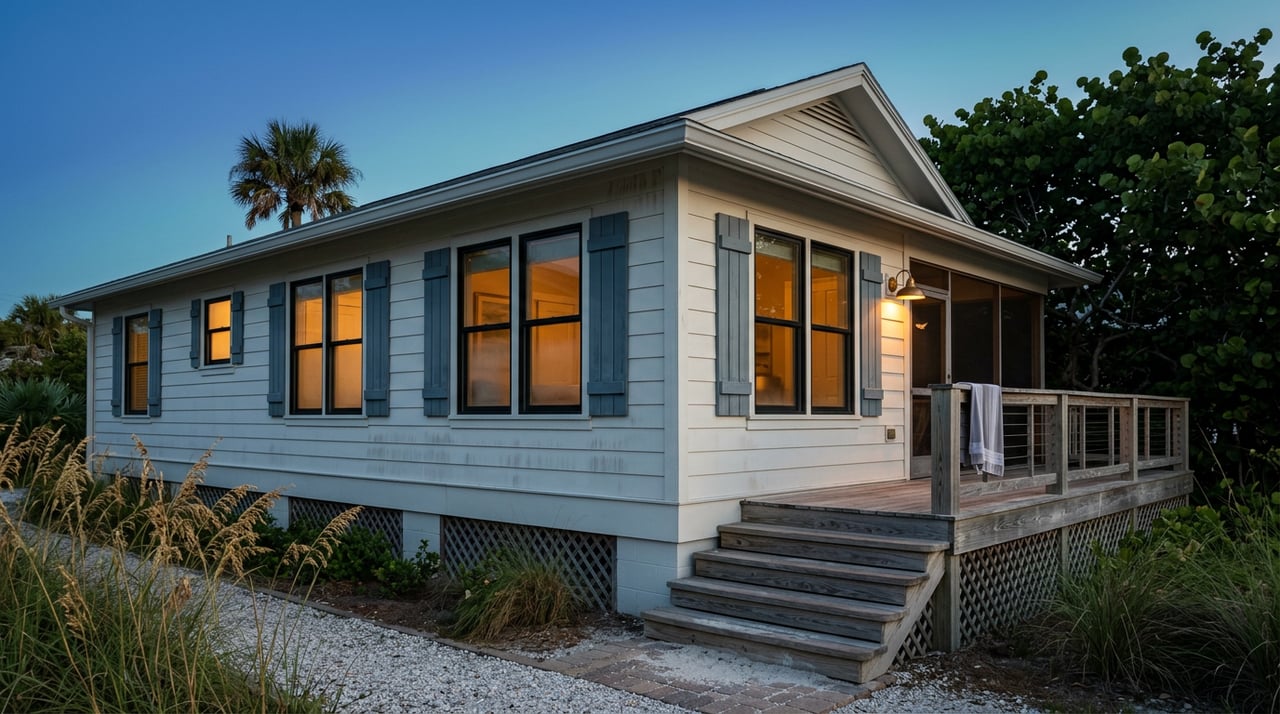
Anna Maria Island ownership can be a great fit if you want a coastal lifestyle with a residential feel, strong local character, and easy access to beaches and public gathering spots. It can also work well for buyers who understand that island life includes rules, weather planning, and ongoing property care.
In other words, this is not just a scenic purchase. It is a lifestyle choice that blends beauty, responsibility, and a very specific pace of living.
If you are considering a home on Anna Maria Island, the right guidance can help you compare locations, understand property-specific considerations, and move forward with confidence. The Echo Belser Team brings local insight and responsive, relationship-first service to buyers exploring coastal homes across Manatee County.
We bring together a mix of integrity, imagination and an inexhaustible work ethic, striving to make each buying and selling experience the best possible.
Get In Touch With Our Team To Learn More

ECHO BELSER TEAM
11215 STATE ROAD 70 E UNIT 105 LAKEWOOD RANCH FL 34202