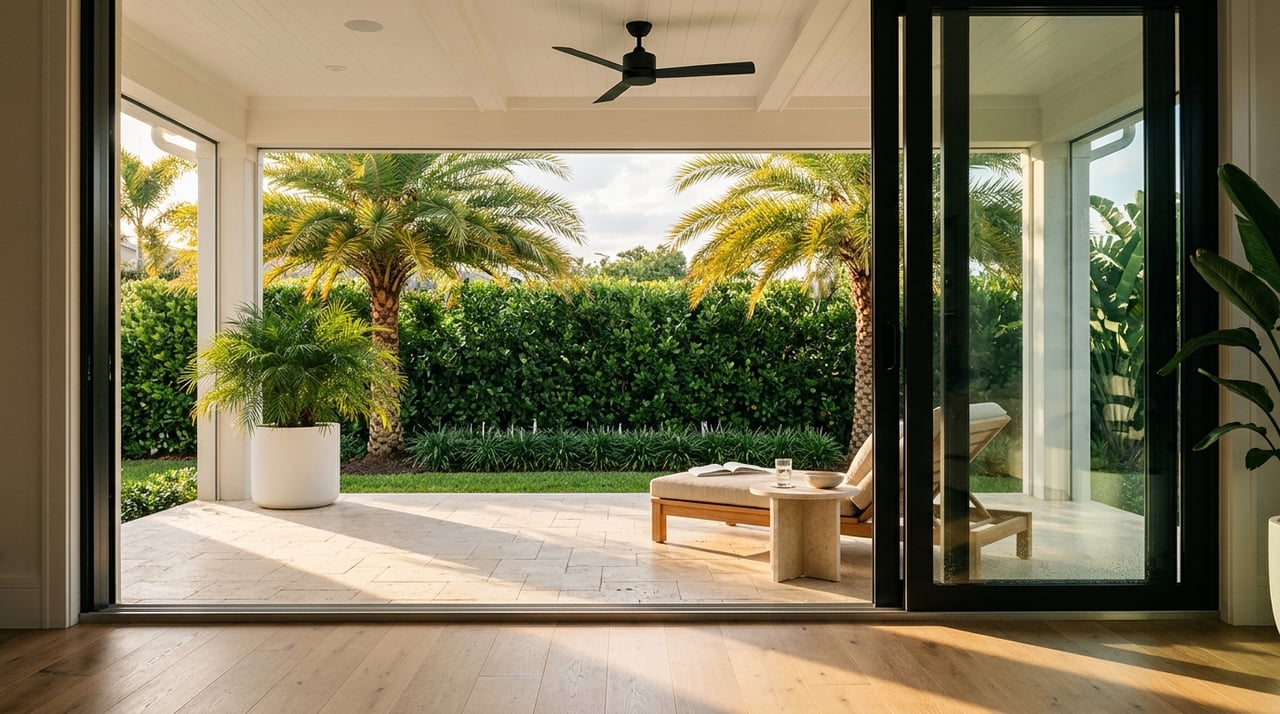
Buying a Custom Home in Mill Creek: Key Details to Verify
June 11, 2026
June 11, 2026
Buying a custom home in Mill Creek can feel exciting and a little tricky at the same time. You may love the larger homesites, mature surroundings, and one-of-a-kind designs, but custom neighborhoods often require more homework than a typical cookie-cutter subdivision. If you want to make a smart purchase, this guide will help you focus on the details that matter most before you buy. Let’s dive in.
One of the biggest things to know about Mill Creek is that it developed in stages, not as one uniform subdivision. Public parcel records show phases such as Phase II S, Phase III Mill Creek S, Phase V B, and Phase VII, which means homes, lots, and property details can vary from one section to another.
That matters because two homes with a Mill Creek address may have very different characteristics. Build year, lot size, flood designation, and fee structure may all change depending on the exact parcel. In Mill Creek, the best comparison is not just the street or neighborhood name. It is the exact parcel, phase, and legal description.
Custom-home communities often have more variety than buyers expect, and Mill Creek is a good example. Public records show homes built in years like 1990, 1991, 1998, 2001, 2006, and even 2024, with lot sizes on typical subdivision parcels ranging from about 24,580 square feet to 46,609 square feet.
That spread can affect everything from privacy and outdoor use to maintenance and resale appeal. A newer home may offer updated materials and systems, while an older home may sit on a more established homesite. Before you fall in love with finishes or curb appeal, make sure you understand what makes that specific property different.
With custom homes, the homesite can be just as important as the floorplan. In Mill Creek, public examples show parcels in X flood zones as well as A and AE flood-designated areas. Manatee County also notes that flood risk can come from tidal surge, river overflow, and rainfall runoff.
That means you should look closely at how the lot drains and how usable the yard really is. A beautiful backyard may feel very different after heavy rain, and a large lot is not always as functional as it first appears. It is smart to think beyond today and picture how you would use the property over time.
Many Mill Creek listings highlight features buyers clearly value, including split-bedroom layouts, open great rooms, private offices or flex spaces, vaulted ceilings, large closets, screened lanais, pools, impact windows, newer roofs, and wooded or water-adjacent views.
Those features are attractive, but the real question is whether the floorplan works well with the homesite. A great room may look impressive, but does it connect well to the lanai and backyard? A pool may sound like a plus, but does it leave enough space for outdoor living? In a custom home, the best design is one that uses both the house and the lot well.
Flood status is one of the most important things to verify before buying in Mill Creek. At least one current listing markets a preferred X flood zone parcel, while other parcel records show A and AE designations. That range is a strong reminder that you should never assume flood status based on the neighborhood name alone.
Manatee County can provide flood information determinations, FIRM excerpts, and elevation certificates if available. The county also notes that properties in Special Flood Hazard Areas can require flood insurance, that areas outside those areas can still flood, and that flood insurance has a 30-day waiting period.
Florida law now requires a flood disclosure at or before contract execution, and that disclosure reminds buyers that homeowners insurance does not cover flood damage. This is a major detail to review early, not late in the process.
This point often surprises buyers. Manatee County says evacuation levels are not the same as flood zones, so you should verify both. A property’s evacuation level affects storm planning, while a flood zone affects flood-risk review and possible insurance needs.
For a custom home purchase, this distinction matters because it shapes both your day-to-day comfort and your long-term ownership costs. If you are comparing two properties, one may look similar on paper but have a very different risk profile once you review the county information.
Mill Creek is not uniform when it comes to fees and restrictions either. Current listing examples show both low-HOA and no-CDD parcels, along with some parcels marketed as no HOA or no deed restrictions. Because of that mix, you should not assume anything from the street name alone.
If the property is in a homeowners association, Florida law requires a homeowners' association disclosure summary before contract execution. The law also requires the association to provide an estoppel certificate within 10 business days after request, and that certificate states assessments and other amounts owed.
This is one of the most important due diligence steps in a custom-home purchase. Fees, rules, and obligations can affect your monthly budget and how you use the property.
When you buy a custom home, especially one that may have had additions or upgrades over the years, a clean permit trail matters. Manatee County public records can help with permit and building-record requests. This is especially important for roof work, pool work, window replacements, and any additions.
A finished upgrade is not the same as a properly permitted and finalized one. If work was done without the right approvals or final inspections, it could create headaches later. It may also affect insurance, repairs, and resale.
In Florida, build year carries extra importance because wind standards have changed over time. Manatee County notes that homes built before March 2002, between March 2002 and March 2012, and on or after March 2012 were built to different wind standards.
That does not automatically make one home better than another, but it does mean you should review the details closely. Roof age, impact protection, and wind-mitigation documentation can all play a big role in ownership costs and peace of mind.
Even if this feels like your forever home, resale should still be part of your buying strategy. Based on the county rules, parcel records, and listing patterns, resale is likely strongest when a home has a usable lot, clear permits, and outdoor space that still functions well after flood and drainage considerations.
That means you should look past cosmetic upgrades and ask practical questions. Does the property have a layout that will appeal to future buyers? Is the homesite easy to maintain and enjoy? Are the major records and disclosures easy to document? These details often matter more over time than trendy finishes.
Before you move forward on a custom home in Mill Creek, make sure you can answer these questions clearly:
Buying a custom home in Mill Creek can be a fantastic move when you pair the right property with careful due diligence. The neighborhood offers variety, larger homesites, and homes with character, but that same variety means details matter. If you want experienced local guidance as you compare parcels, review disclosures, and narrow down the right fit, the Echo Belser Team is here to help.
We bring together a mix of integrity, imagination and an inexhaustible work ethic, striving to make each buying and selling experience the best possible.
Get In Touch With Our Team To Learn More

ECHO BELSER TEAM
11215 STATE ROAD 70 E UNIT 105 LAKEWOOD RANCH FL 34202