Are you dreaming about Sarasota’s beaches but unsure what it really costs to own here? You’re not alone. Between HOA rules, coastal insurance, and Florida-specific tax rules, the numbers can feel fuzzy. This guide breaks it all down so you can budget with confidence, avoid surprises, and decide whether a condo or single-family home fits your lifestyle and bottom line. Let’s dive in.
Sarasota ownership costs at a glance
Owning in Sarasota involves a few core cost buckets. Your total varies with property type, location, age, and whether you’ll live here full-time or seasonally.
- Recurring costs: HOA or condo dues, property taxes, homeowners insurance, wind/hurricane coverage, flood insurance, utilities, trash/recycling.
- Services: lawn and landscaping, pool care, pest control, recurring HVAC service.
- Maintenance and replacements: routine repairs, roof and HVAC replacement, appliances, painting, irrigation.
- Contingent costs: special HOA assessments, storm-related repairs, and insurance deductibles or premium changes.
How Sarasota changes the math
- Coastal risk and storms: Many Sarasota properties sit in higher wind or flood zones, which can increase insurance premiums and require flood coverage. Hurricane deductibles are often percentage-based, not flat.
- Insurance market shifts: Florida has seen elevated homeowners insurance costs and carrier changes. Availability and pricing can differ from non-coastal markets.
- Seasonal occupancy: Snowbird and short-term rental patterns can affect insurance, HOA rules, and utility usage.
- Labor and permits: After storms, contractor demand can surge, affecting timelines and pricing for repairs or upgrades.
Recurring costs to budget
HOA and condo association dues
Dues typically cover common-area maintenance and, for condos, a master insurance policy for the building exterior. Amenities like pools, gyms, and onsite management increase dues. Ask for the current budget, recent dues increases, reserve study, board meeting minutes for the last 12–24 months, any special assessment history, and the association’s insurance declarations. If there is no HOA, plan separate lines for landscaping, pool care, and amenities you will maintain yourself.
Homeowners, wind, and flood insurance
Single-family homes usually need a full dwelling policy. Condos often require an HO-6 policy for interior finishes and contents while the association insures the structure. In Florida, hurricane or wind deductibles are commonly set as a percentage of dwelling coverage. Flood insurance is separate and depends heavily on flood zone, elevation, and prior claims. Ask for current declarations pages, claims history, and details on any mitigation features, such as impact windows or roof straps, which may reduce premiums.
Property taxes and local rules
Florida offers a homestead exemption for primary residences and caps annual assessed-value increases for homesteaded properties. Non-homesteaded properties can see larger assessed-value changes. Review the property’s current tax bill and note any exemptions that may change with a sale. Confirm if any special taxing districts apply.
Utilities: electric, water, trash, internet
Air conditioning drives much of Florida’s electric usage. Home size, insulation, thermostat settings, and HVAC type matter. Water and sewer are typically usage based, and some condos include water in dues. Trash may be a small monthly charge or paid through the HOA or county. Ask the seller for 12 months of utility bills and confirm which utilities are covered by the HOA.
Lawn, pool, and pest control
If not covered by the HOA, plan for recurring lawn service, irrigation upkeep, and periodic plant care. Private pools require weekly service and occasional equipment repairs. Pest control is common in Florida due to termites and seasonal pests. Review any existing service contracts and recent repair receipts.
Routine maintenance and replacements
Track the ages and condition of major systems: roof, HVAC, water heater, windows and doors, and exterior finishes. A simple way to plan is to reserve 1% to 3% of the home’s value per year for maintenance and replacements. Older homes or premium finishes may require more.
Build your monthly and annual budget
Use this method to estimate your true cost of ownership:
- Define property profile: condo vs single-family, coastal vs inland, and full-time vs seasonal use.
- Gather fixed inputs: HOA dues, the latest property tax bill, and current insurance declarations or new quotes for homeowners, wind/hurricane, and flood.
- Add services: lawn, pool, pest control, and any included or excluded utilities from the HOA.
- Add a maintenance reserve: target 1% to 3% of home value annually, adjusted for age and condition.
- Add contingency: plan cash on hand for hurricane deductibles, special assessments, and storm-related repairs.
Sample Sarasota scenarios
Use these planning profiles to shape questions and quotes for your target property type.
Inland condo, mid-rise, owner-occupied
- Dues are the primary cost line and often include water, trash, exterior maintenance, and a building master policy.
- HO-6 coverage typically costs less than a full dwelling policy because the master policy covers structure.
- Utilities may be moderate due to smaller size and included services.
- Focus your review on the HOA budget, reserve study, insurance coverage, and special assessment history.
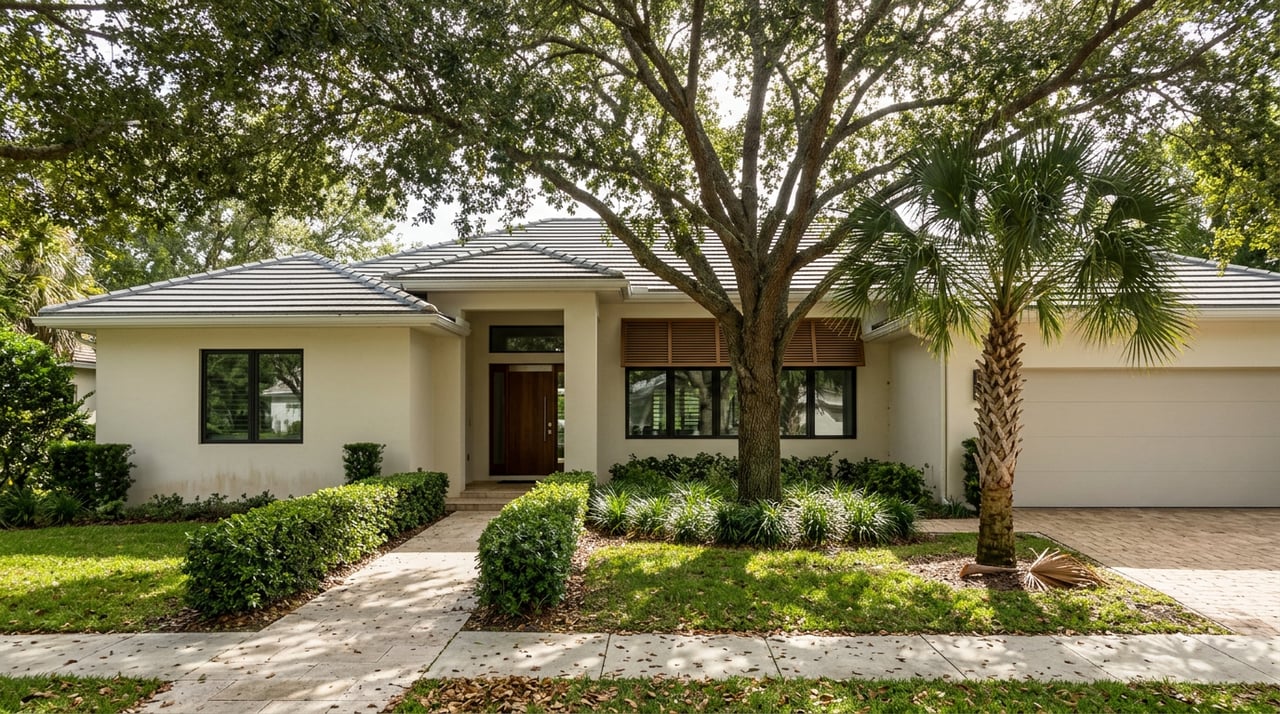
Inland single-family home, small yard, no pool
- Little or no HOA means more line items under your control, like lawn care and trash.
- Homeowners insurance can be more moderate than coastal equivalents, but verify with quotes.
- Utilities can be higher than a condo due to larger conditioned space.
- Maintain a clear plan for roof, HVAC, and appliance replacement cycles.
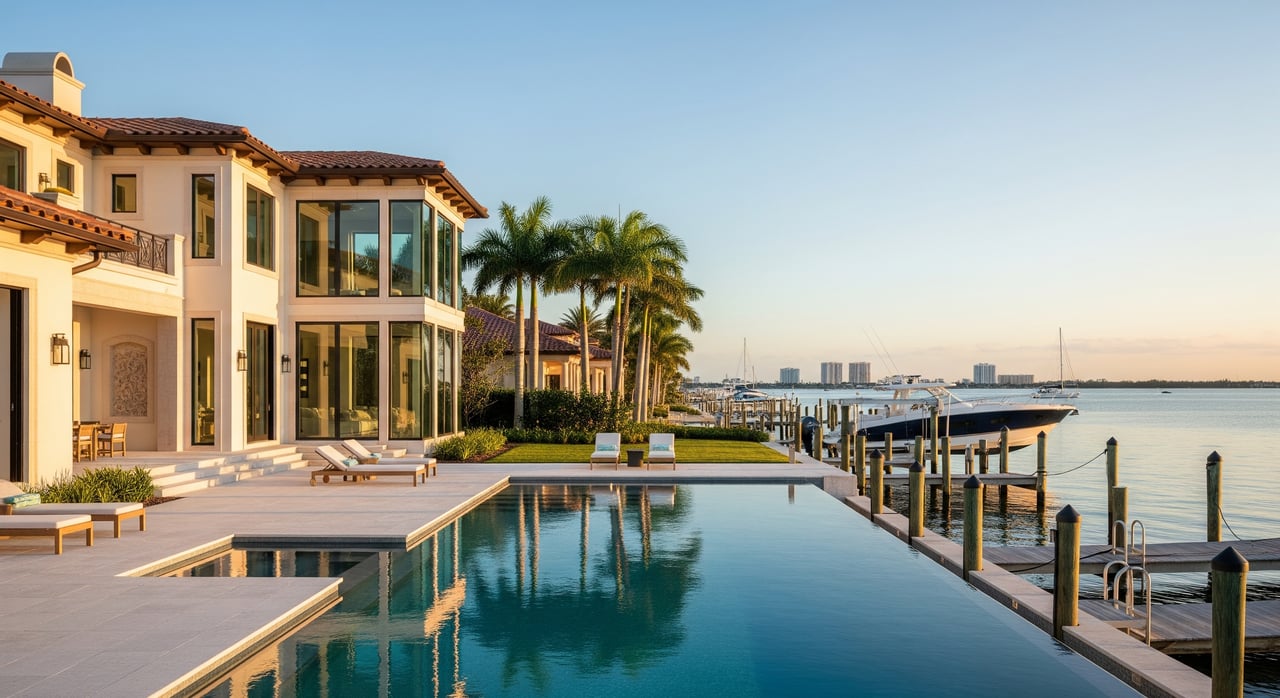
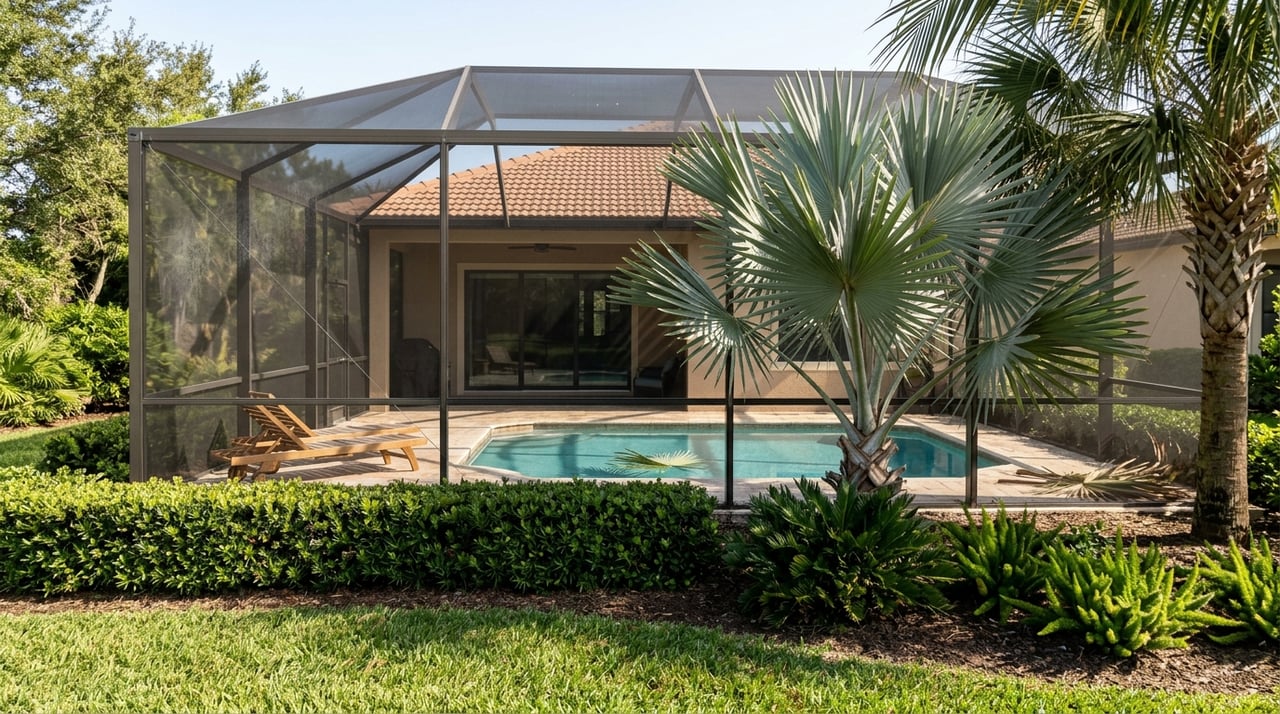
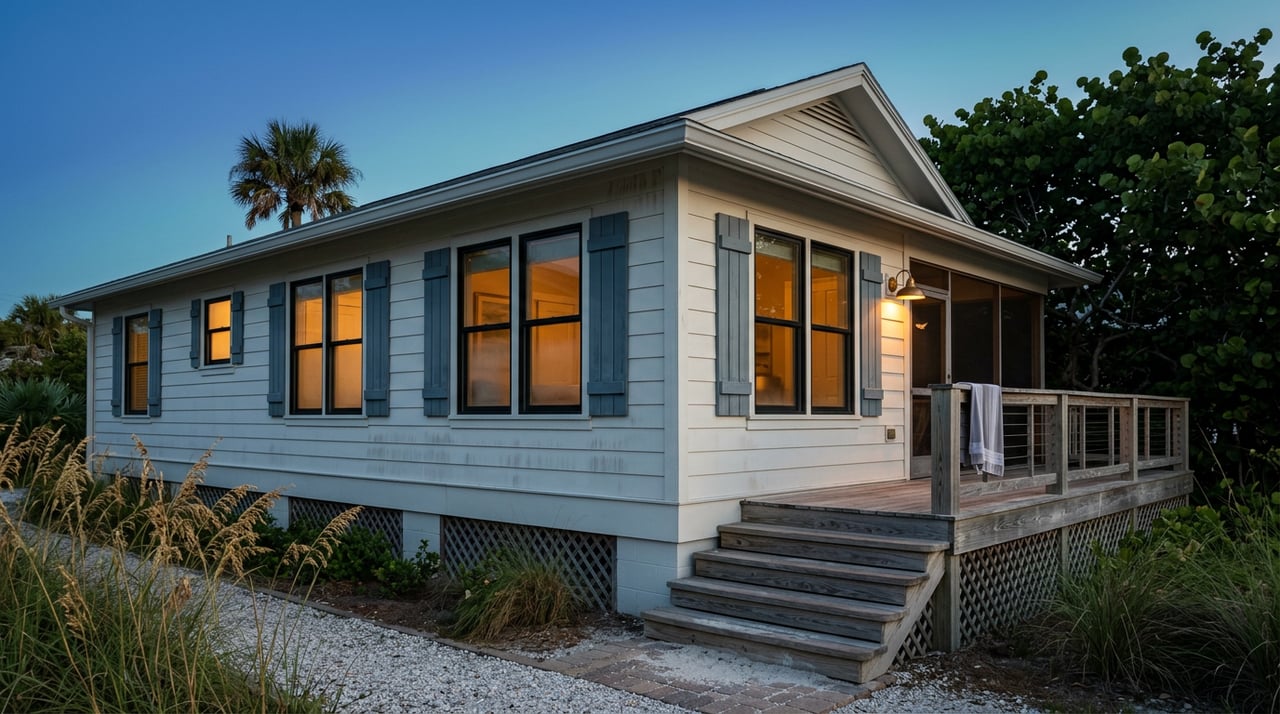
Coastal single-family waterfront with pool
- Expect higher homeowners, wind, and flood premiums, plus a hurricane deductible set as a percentage of dwelling coverage.
- Utilities tend to run higher with larger homes, AC demand, and pool equipment.
- Pool service and coastal landscaping increase service costs.
- Confirm flood zone, elevation, and obtain both NFIP and private flood quotes where applicable.
Due diligence checklist
Gather these before you finalize your budget or write an offer:
Key risks and how to mitigate
- Insurance volatility: Get quotes early and ask about mitigation credits for impact windows, roof straps, and newer roofs.
- Flood exposure: Verify flood zone and elevation, and compare NFIP and private flood options.
- HOA reserves and assessments: Review reserve studies and minutes for signs of deferred maintenance or storm-related projects.
- Seasonal or rental use: Confirm HOA rules and understand how short-term rentals can affect insurance and coverage.
- Post-storm capacity: Plan timelines and budgets that account for contractor demand spikes after major weather events.
Your next steps
If Sarasota is calling, take a property-first approach. Identify the home type and location, pull real documents and quotes, and layer in a maintenance reserve and storm contingency. When you compare homes using the same framework, the best choice often becomes clear.
Want a Sarasota-savvy partner to help you gather the right paperwork, interpret HOA budgets, and source accurate insurance quotes? The Echo Belser Team is ready to help you budget with confidence and find the right fit.
FAQs
What costs are unique to owning a Sarasota coastal home?
- Higher likelihood of wind and flood insurance requirements, percentage-based hurricane deductibles, and potential special assessments after storms.
How do HOA or condo dues affect my budget in Sarasota?
- Dues often bundle exterior maintenance and insurance for condos, so review budgets, reserve studies, and assessment history to understand the true all-in cost.
Do I need flood insurance for a Sarasota property?
- It depends on flood zone and elevation, but many coastal and low-lying areas benefit from flood coverage, which is separate from homeowners insurance.
How should I plan for maintenance on a Sarasota home?
- A common rule is reserving 1% to 3% of the home’s value annually, adjusted for age, condition, and features like pools or complex landscaping.
What should I ask an HOA before buying in Sarasota?
- Request the current budget, most recent financials, reserve study, board minutes, master insurance details, dues increase history, and any special assessments.
Why can insurance be higher in Sarasota than inland markets?
- Coastal wind and flood exposure, roof condition, construction type, prior claims, and the state’s evolving insurance market all influence premiums.
How can I get accurate monthly utility estimates in Sarasota?
- Ask the seller for 12 months of bills and verify what, if anything, the HOA covers for water, trash, or internet before setting your budget.